


History of Red Fort
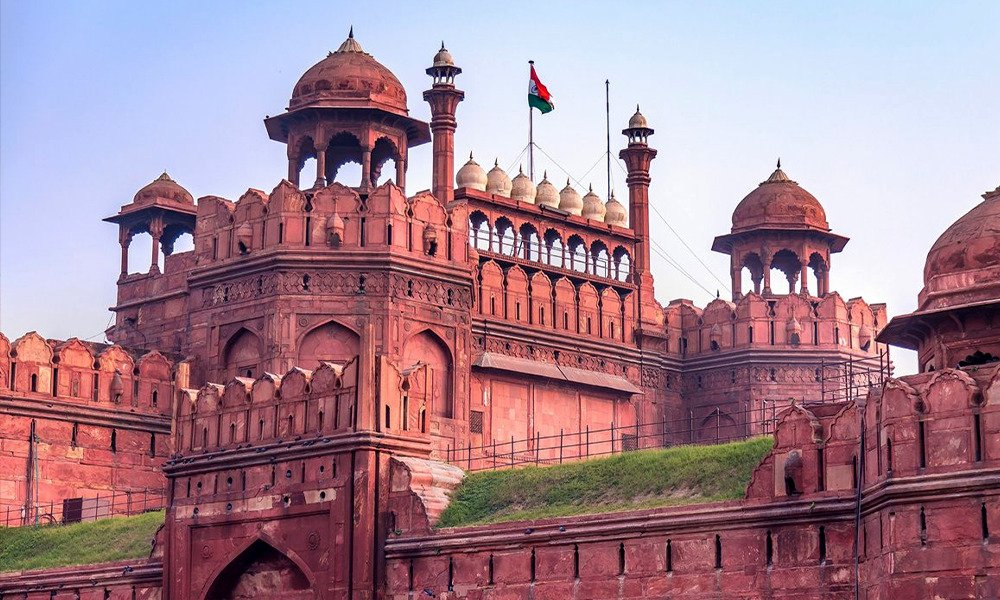
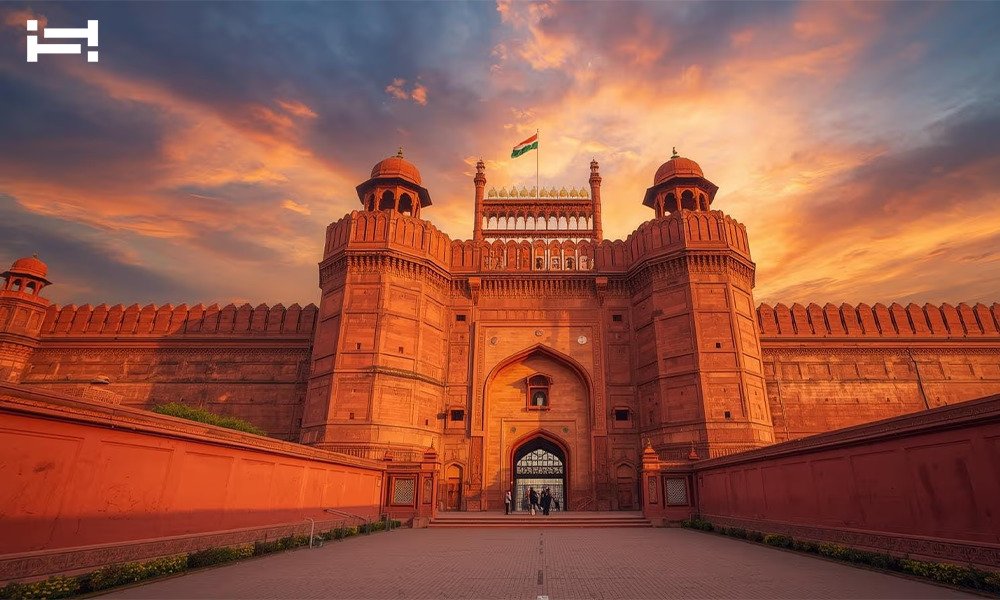
The Red Fort, popularly known as Lal Qila, is one of the most significant historical monuments in India and a symbol of the country’s rich cultural heritage. It was built by the Mughal Emperor Shah Jahan after he decided to shift the Mughal capital from Agra to Delhi. Construction of the fort began in 1638 and was completed in 1648, taking nearly ten years to finish. Designed as the royal residence of the Mughal emperors, the Red Fort became the political, cultural, and administrative center of the Mughal Empire. The fort witnessed the reign of several Mughal rulers and played an important role in shaping India’s medieval history. Over the centuries, it has survived invasions, political changes, and colonial rule, making it one of the country’s most treasured architectural landmarks.
During the Mughal era, the Red Fort was much more than a royal palace. It was a thriving complex that housed luxurious palaces, audience halls, beautiful gardens, royal baths, mosques, and administrative offices. The fort represented the power, prosperity, and artistic excellence of the Mughal Empire. However, after the Indian Rebellion of 1857, the British took control of the fort and converted many parts into military barracks, leading to the destruction of several original buildings. After India gained independence in 1947, the Red Fort became a symbol of freedom when Jawaharlal Nehru hoisted the Indian National Flag from its ramparts. Today, every Independence Day, the Prime Minister continues this tradition, making the Red Fort not only a historical monument but also a national symbol of pride and unity.
Architecture and Key Features
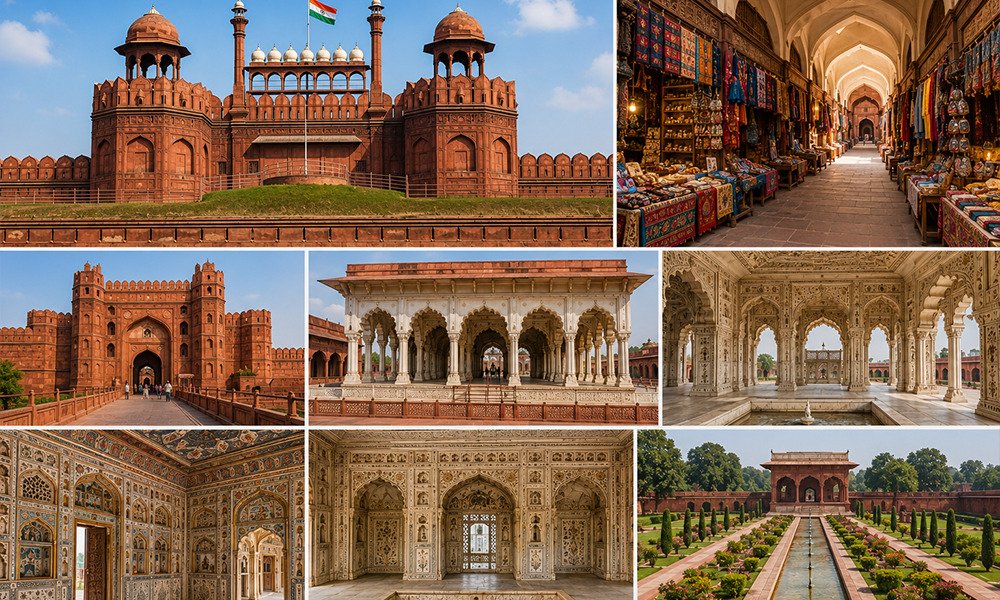
The architecture of the Red Fort is considered one of the finest examples of Mughal craftsmanship, blending Persian, Timurid, and Indian architectural styles into a magnificent masterpiece. Spread across nearly 255 acres, the fort is enclosed by massive red sandstone walls that rise up to 33 meters high in some places. Every section of the fort reflects the grandeur and sophistication of Mughal architecture, from intricately carved marble structures to beautifully designed gardens and water channels. The use of red sandstone on the exterior and white marble inside creates a striking contrast that adds to the monument’s beauty. The fort was carefully planned with defensive walls, royal residences, ceremonial halls, and marketplaces, making it both a secure fortress and a luxurious palace.
Some of the most famous attractions inside the Red Fort include the Lahori Gate, Chatta Chowk, Diwan-i-Aam, Diwan-i-Khas, Rang Mahal, Mumtaz Mahal, and Hayat Bakhsh Bagh. The Lahori Gate serves as the main entrance and remains the ceremonial gateway used during India’s Independence Day celebrations. Chatta Chowk, a covered market built for the royal family, still offers traditional handicrafts and souvenirs to visitors. The Diwan-i-Aam was where the emperor addressed the public and listened to their grievances, while the Diwan-i-Khas was reserved for meetings with important guests and foreign ambassadors. The Rang Mahal was known for its colorful decorations and luxurious interiors, whereas the Hayat Bakhsh Bagh showcases the Mughal love for landscaped gardens and flowing water features. Together, these structures make the Red Fort one of the most architecturally impressive monuments in India.
Red Fort Delhi Entry Fee
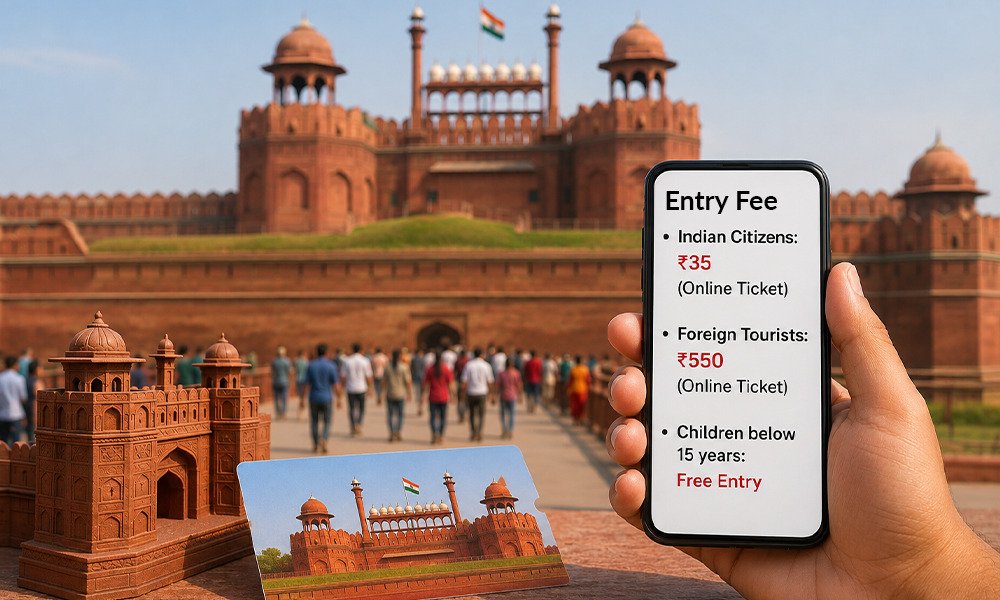
The entry fee for the Red Fort is maintained by the Archaeological Survey of India (ASI) and is reasonably priced, making this UNESCO World Heritage Site accessible to both Indian and international visitors. Ticket prices vary depending on the visitor’s nationality, while children below 15 years of age can enter free of cost. Visitors who wish to enjoy the famous Sound & Light Show need to purchase a separate ticket.
Current Entry Fee
- Indian Citizens: ₹35 (Online Ticket)
- Foreign Tourists: ₹550 (Online Ticket)
- Children below 15 years: Free Entry
- Sound & Light Show: Separate charges apply
To make your visit smooth and hassle-free, it is highly recommended to book your tickets online in advance. Online booking not only saves time but also helps you avoid long queues during weekends, public holidays, and the peak tourist season. Carry a valid photo ID along with your e-ticket for verification at the entrance. With the introduction of QR-code-based entry at the Red Fort, visitors can now enjoy a faster and more convenient admission process.
Timings to Visit Red Fort
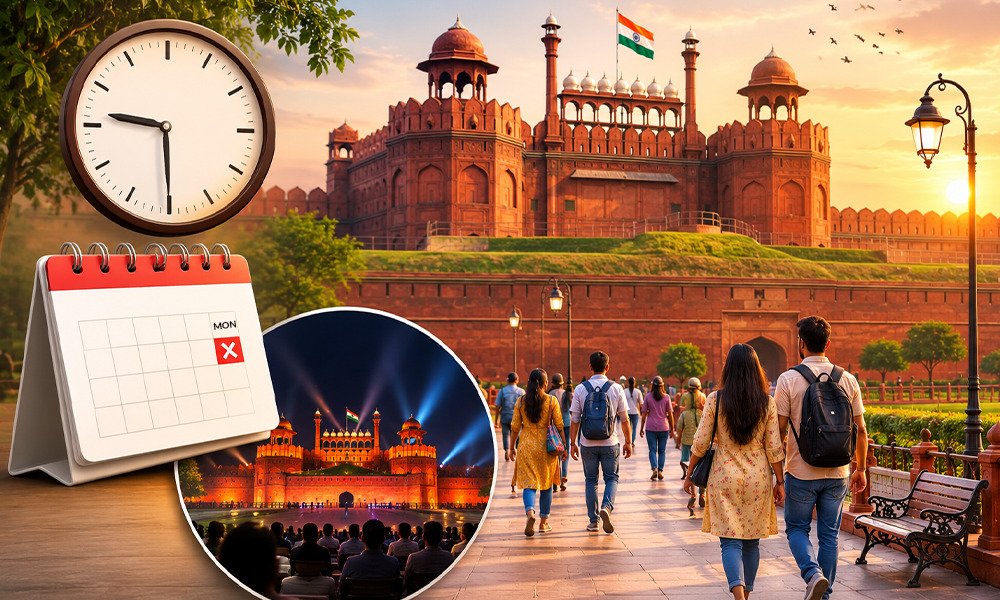
The Red Fort is open to visitors on all days of the week except Monday, when the monument remains closed for maintenance. Managed by the Archaeological Survey of India (ASI), the fort welcomes thousands of tourists every day who come to admire its magnificent Mughal architecture, historical significance, and beautiful gardens.
Red Fort Visiting Timings
- Opening Time: 9:30 AM
- Closing Time: 4:30 PM
- Closed On: Every Monday
To make the most of your visit, it is recommended to arrive early in the morning, preferably before noon. The weather is generally more pleasant, and the fort is less crowded compared to the afternoon. Most visitors spend 2 to 3 hours exploring the vast complex, including its historic gates, museums, gardens, and famous structures such as the Diwan-i-Aam, Diwan-i-Khas, Rang Mahal, and Moti Masjid. Photography enthusiasts may want to spend additional time capturing the intricate architecture and scenic views.
In the evening, visitors can also experience the Sound and Light Show, one of the major attractions at the Red Fort. Through a captivating combination of lights, music, narration, and visual effects, the show beautifully recounts the history of the Mughal Empire, the construction of the fort, and its important role in India’s freedom struggle. Since the show has separate ticket charges and limited seating, it is advisable to book tickets in advance, especially during weekends and the peak tourist season.
Best Time to Visit Red Fort
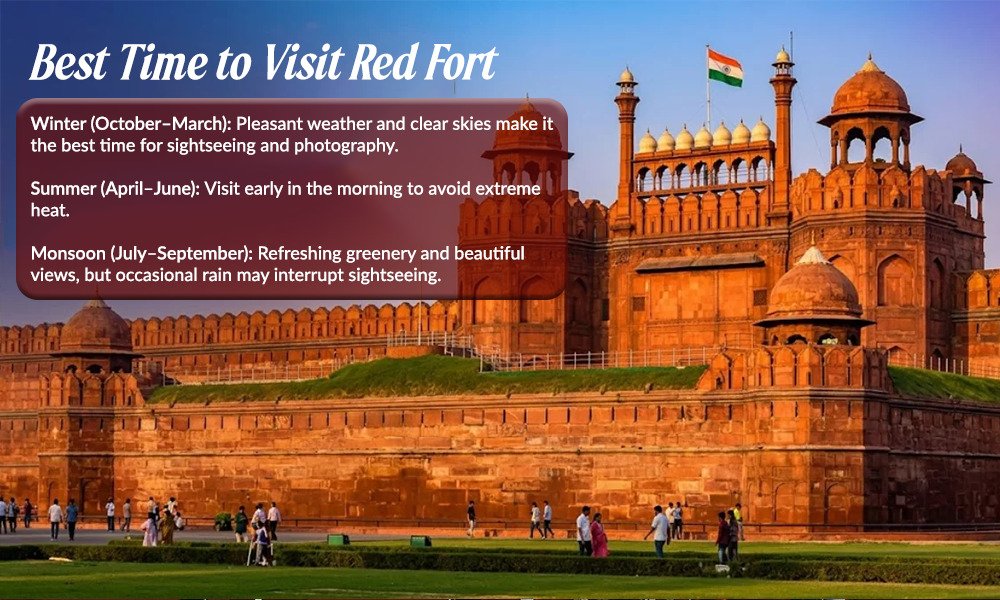
Although the Red Fort is open to visitors throughout the year, the best time to visit is between October and March when Delhi experiences pleasant weather and comfortable temperatures. During these months, exploring the vast fort complex becomes much more enjoyable, allowing visitors to spend several hours discovering its historical buildings, museums, gardens, and architectural details without the discomfort of extreme heat.
Winter mornings and afternoons offer clear skies, making this season perfect for photography and sightseeing. The cooler climate also allows visitors to comfortably explore popular attractions within the fort, such as the Diwan-i-Aam, Diwan-i-Khas, Rang Mahal, and Moti Masjid. Since this is the peak tourist season, arriving early in the day is recommended to avoid large crowds.
The summer season (April to June) can be extremely hot, with temperatures often crossing 40°C. If you plan to visit during these months, it is advisable to reach the fort soon after it opens in the morning. Carrying water, wearing light cotton clothing, using sunscreen, and keeping a hat or umbrella can make your visit much more comfortable.
During the monsoon season (July to September), Delhi receives occasional rainfall that adds freshness and greenery to the surroundings. The fort looks beautiful after rain, but sudden showers may interrupt sightseeing, so carrying an umbrella or raincoat is a good idea.
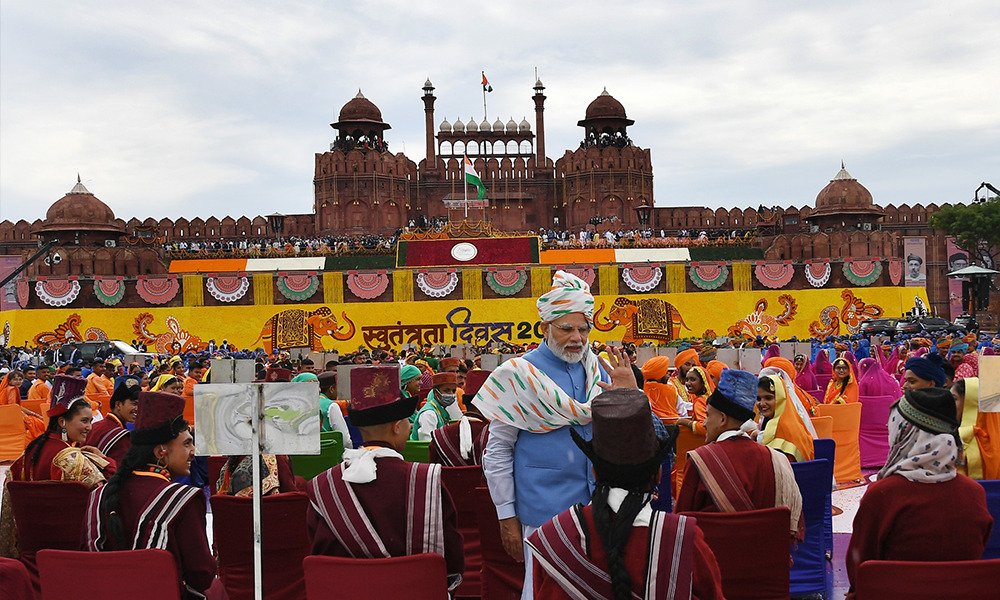
For those interested in India’s national celebrations, visiting around Independence Day (15 August) offers a truly memorable experience, as the Prime Minister hoists the national flag from the Red Fort and addresses the nation. However, due to heavy security arrangements, rehearsals, and official ceremonies, public access to the monument may be restricted for several days before and after the event. If your main goal is to explore the fort peacefully, planning your visit outside this period is generally a better choice.
Importance of Red Fort in Indian Culture
The Red Fort is much more than an architectural masterpiece—it is one of India’s most treasured historical monuments and a powerful symbol of the nation’s rich cultural heritage, resilience, and identity. For centuries, it has witnessed the rise and fall of empires, significant historical events, and the country’s journey from Mughal rule to independence. Today, it stands as a reminder of India’s glorious past and its enduring spirit.
Built by Emperor Shah Jahan in the 17th century, the Red Fort served as the political, administrative, and ceremonial center of the Mughal Empire for nearly 200 years. Many important royal ceremonies, diplomatic meetings, and cultural events took place within its magnificent walls, making it one of the most influential centers of power in medieval India.
The fort also holds immense significance in India’s freedom movement. After the country gained independence in 1947, the Red Fort became a national symbol of freedom and unity. Every year on 15 August, the Prime Minister of India hoists the national flag from the historic Lahori Gate and addresses the nation. This annual Independence Day ceremony is watched by millions of people across the country and continues a tradition that has become an important part of India’s national identity.
Beyond its historical importance, the Red Fort showcases the extraordinary artistic achievements of the Mughal era. Its impressive red sandstone walls, elegant marble palaces, beautifully designed gardens, intricate carvings, decorative arches, and unique blend of Persian, Timurid, and Indian architectural styles reflect the exceptional craftsmanship of the period. These remarkable features make the fort one of the finest examples of Mughal architecture in the world.
The Red Fort was recognized as a UNESCO World Heritage Site in 2007, acknowledging its outstanding cultural and historical value. Today, it attracts millions of visitors, historians, architects, and photographers from around the world who come to admire its beauty and learn about India’s fascinating past. As one of the country’s most iconic landmarks, the Red Fort continues to preserve India’s heritage while inspiring future generations to appreciate and protect its rich cultural legacy.
0 Comment