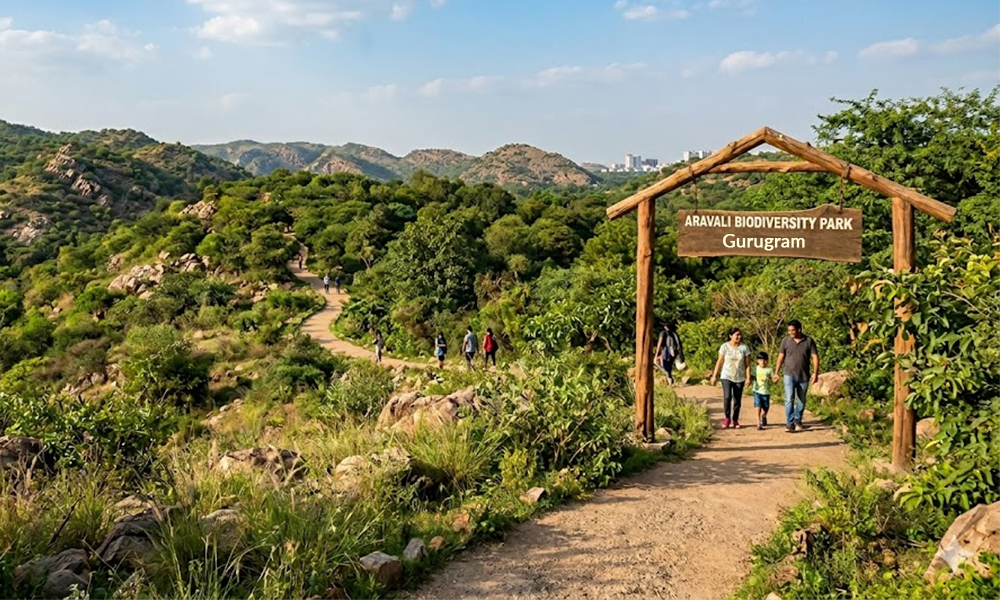
Gurugram, a bustling city known for its corporate towers and fast-paced lifestyle, is also home to some of the most serene and untouched green spaces in the Delhi-NCR region. Among these, Aravali Biodiversity Park stands out as a perfect retreat for nature lovers, fitness enthusiasts, and anyone looking to escape the city chaos. Located in Sector 14, this park is a unique blend of rocky landscapes, scrub forests, and diverse flora and fauna, offering visitors an opportunity to connect with nature while enjoying various outdoor activities. Unlike other city parks that focus mainly on recreational facilities, Aravali Biodiversity Park emphasizes biodiversity conservation, making it an educational as well as a recreational destination. Early morning walkers, joggers, birdwatchers, and photographers find the park particularly appealing due to its tranquil environment and variety of habitats. For travelers or tourists planning to stay close to the park, a hotel in Gurugram or a hotel in DLF Phase 3 offers convenient accommodation options, allowing easy access to this green paradise.

On this Page

  • Introduction
  • Location & Timings
  • History & Conservation Efforts
  • Flora & Fauna
  • Best Time to Visit
  • Activities & Experiences
  • Walking & Trekking Trails
  • Scenic Spots & Natural Beauty
  • Visitor Amenities
  • Nearby Accommodation
  • Tips for Visiting Aravali Biodiversity Park

Location & Timings

location-and-timings

Aravali Biodiversity Park is located in Sector 14, Gurugram, nestled within the natural terrain of the Aravali Hills. Surrounded by rocky landscapes and native vegetation, the park offers a peaceful escape from the city’s fast-paced environment while still being conveniently accessible via major roads and public transport options. The nearest metro station is Guru Dronacharya Metro Station, situated just about 0.5 to 1 km away, making it easy for visitors to reach the park within a short walk. Its strategic location makes it a popular spot for both locals and tourists seeking a quick nature retreat without traveling far.

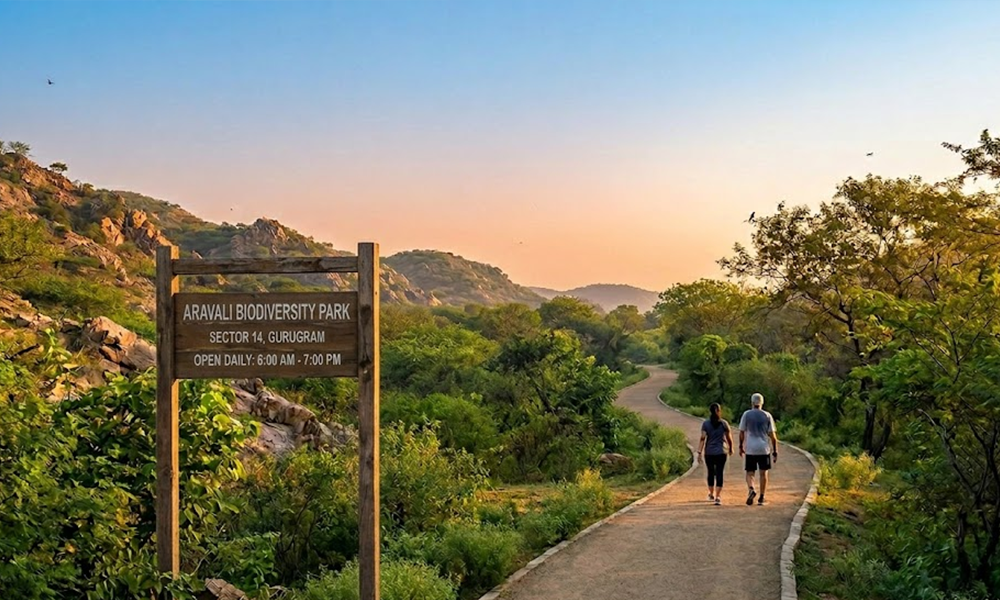
The park remains open daily from 6:00 AM to 7:00 PM, allowing visitors to plan their visit according to their preference—whether it’s a refreshing morning walk, a midday exploration, or a relaxing evening stroll. Early mornings are especially ideal, as the weather is cooler, the air is fresh, and wildlife activity is at its peak. Visitors can often spot birds, butterflies, and small mammals during these peaceful hours.

Evenings bring a different charm to the park, with soft golden sunlight casting beautiful hues over the rocky terrain and greenery. The calm ambiance during sunset makes it perfect for unwinding, photography, or simply enjoying a quiet moment in nature after a busy day.

History & Conservation Efforts

The Aravali Biodiversity Park is not just a recreational space; it is a well-planned ecological restoration project dedicated to preserving the native flora and fauna of the Aravali Hills. This ancient hilly region, one of the oldest mountain ranges in the world, once suffered severe environmental damage due to rapid urbanization, illegal quarrying, deforestation, and neglect. Over time, the natural landscape was stripped of its vegetation, leading to soil erosion, loss of wildlife habitats, and declining biodiversity.

Recognizing the urgent need to restore this fragile ecosystem, the Haryana government, in collaboration with environmentalists and conservation organizations, launched extensive rehabilitation and conservation initiatives. The goal was not only to revive the degraded land but also to reintroduce native plant species and rebuild a sustainable habitat for wildlife.

Today, the park spans several acres and showcases a rich mix of scrub forests, rocky terrains, grasslands, and small water bodies that support diverse life forms. Thousands of native trees, shrubs, and grasses have been carefully planted to recreate the natural Aravali ecosystem. Conservation efforts here focus on soil stabilization, water conservation, and creating safe habitats for birds, reptiles, insects, and small mammals.

What makes this park truly remarkable is how effectively nature has bounced back. Visitors are often amazed to witness the transformation—from barren, degraded land to a thriving green space full of life. It stands as a powerful example of how dedicated conservation efforts can restore ecological balance and create a sustainable environment for future generations.

Flora & Fauna

flaura-and-fauna

One of the most fascinating aspects of Aravali Biodiversity Park is its rich and diverse flora and fauna, which reflects the natural ecosystem of the Aravali Hills. The park is home to a wide variety of native trees such as Khejri, Neem, and Peepal, along with dense shrubs, grasses, and seasonal plants that thrive in semi-arid conditions. These plant species not only add to the greenery but also play a crucial role in supporting wildlife by providing shelter, nesting spaces, and food sources.

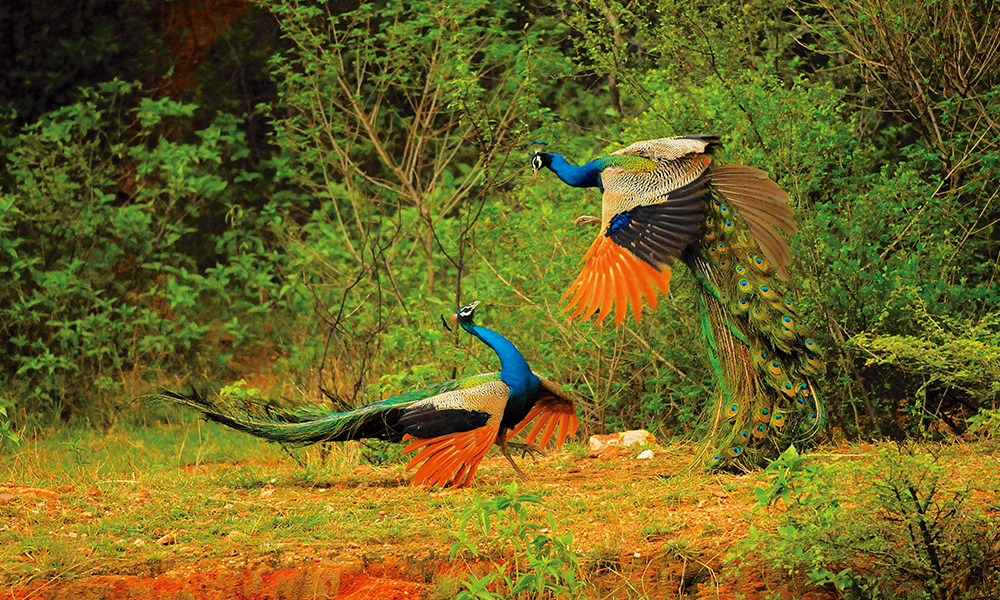
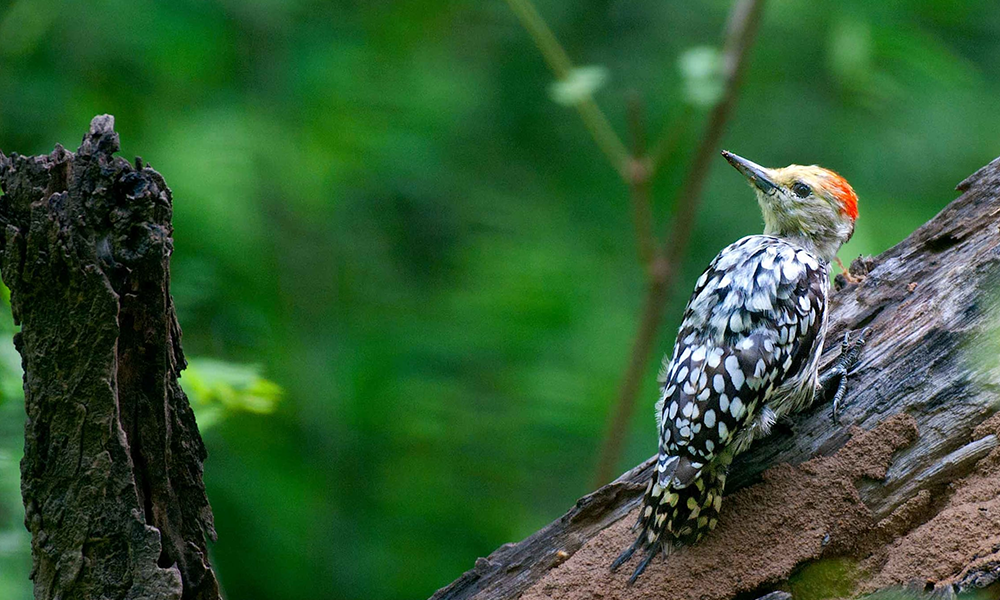
Flowering plants across the park attract butterflies, bees, and other essential pollinators, contributing to a balanced and thriving ecosystem. During different seasons, visitors can witness subtle changes in vegetation, from blooming flowers in spring to lush greenery during the monsoon, making every visit a unique experience.Birdwatchers will particularly enjoy the park, as it hosts a wide range of bird species including peafowls, parakeets, mynas, drongos, and several migratory birds during the winter months. The peaceful environment and natural habitats make it an ideal spot for both amateur and experienced bird enthusiasts.

In addition to birds, small mammals like jackals, mongooses, and porcupines can occasionally be spotted, especially during early mornings or late evenings when the park is quieter. The rocky terrain also provides a natural habitat for reptiles such as lizards and snakes, which are an integral part of the ecosystem.

To enhance the visitor experience, informative signboards are placed throughout the park, offering insights into the different plant species and wildlife found here. This makes the park not only a recreational destination but also an educational space for children, students, and nature lovers who wish to learn more about biodiversity and conservation.

Best Time to Visit
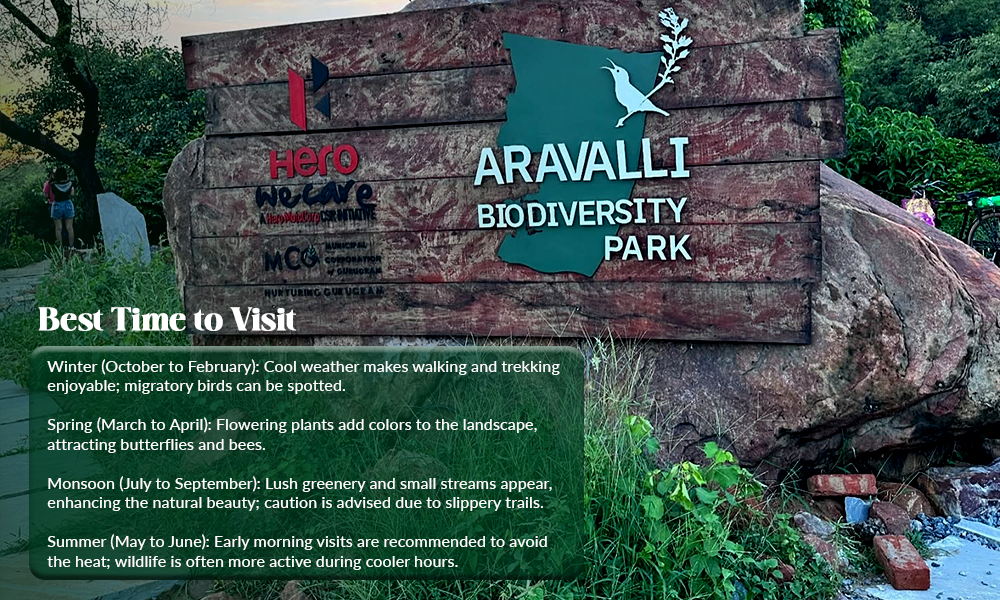
The park can be visited throughout the year, but certain seasons offer unique experiences:
Winter (October to February): Cool weather makes walking and trekking enjoyable; migratory birds can be spotted.
Spring (March to April): Flowering plants add colors to the landscape, attracting butterflies and bees.
Monsoon (July to September): Lush greenery and small streams appear, enhancing the natural beauty; caution is advised due to slippery trails.
Summer (May to June): Early morning visits are recommended to avoid the heat; wildlife is often more active during cooler hours.

Early mornings are especially recommended for those interested in birdwatching, photography, or meditation amidst nature.

Activities & Experiences

Aravali Biodiversity Park is more than a typical park; it offers multiple activities for different visitor interests:

  1. Morning Walks & Jogging: Well-marked trails provide a safe and scenic route for walkers and joggers. Many locals start their day here, enjoying fresh air and exercise.
  2. Trekking & Hiking: The rocky terrain and hilly trails offer light trekking opportunities for beginners and moderate challenges for experienced hikers.
  3. Birdwatching: With over 100 bird species reported, the park is a haven for ornithologists and casual birdwatchers alike.
  4. Photography: Photographers can capture scenic landscapes, sunrise and sunset shots, and wildlife in their natural habitat.
  5. Educational Visits: School groups, students, and environmental enthusiasts often visit to learn about native plants, biodiversity conservation, and ecosystem restoration.
  6. Meditation & Yoga: Quiet corners and shaded areas make the park ideal for meditation, yoga, or mindful walking.

Walking & Trekking Trails

walking-trekking-trails

The park has multiple walking and trekking trails that range from easy 30-minute paths to longer routes of 2–3 km. Trails are well-marked with information about the terrain, plants, and animals encountered along the way. Rock formations provide scenic viewpoints and resting areas. Some trails are slightly challenging due to uneven surfaces, so wearing sturdy shoes is recommended.
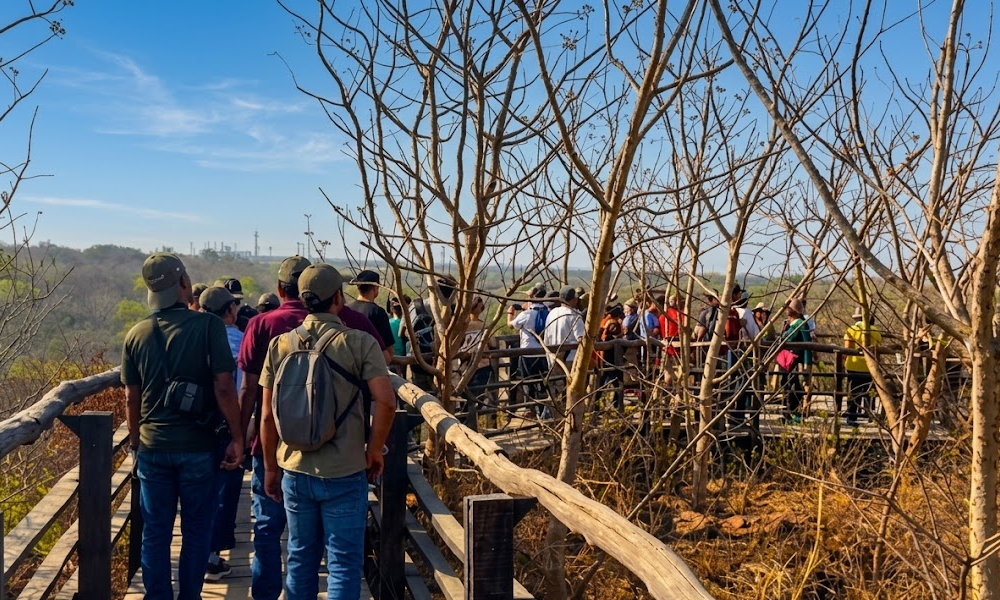
Guided trails and informal nature walks are sometimes organized by local environmental groups, providing insights into the flora and fauna. Maps at the park’s entrance help visitors choose the trail suitable for their fitness level and time availability.

Scenic Spots & Natural Beauty
scenic-spots-and-natural-beauty

Aravali Biodiversity Park is known for its picturesque landscapes. Large boulders, small water bodies, and greenery create perfect spots for photography, sketching, or simply relaxing. Sunrise and sunset provide particularly stunning views, with soft light illuminating the rocky terrain and casting long shadows.
Natural streams appear during the monsoon, adding to the charm of the park. Bird songs and the rustling of leaves create a soothing ambiance that makes visitors feel completely disconnected from the busy city life. Many families and solo visitors spend hours simply enjoying the peaceful surroundings, reading, or meditating.

Nearby Accommodation

For visitors who wish to explore the park over multiple hours or spend the weekend in Gurugram, several hotels in Gurugram provide comfortable accommodation. Staying close to the park ensures you can visit early in the morning or late in the evening without worrying about travel time.

Specifically, a hotel in DLF Phase 3 is an excellent choice for tourists seeking luxury or mid-range accommodations. It offers modern amenities, easy access to the park, and proximity to shopping and dining options. A convenient stay enhances the overall experience of exploring the park and nearby attractions.

Tips for Visiting Aravali Biodiversity Park

  • Start early in the morning for cool temperatures and active wildlife sightings.
  • Wear comfortable shoes suitable for walking on rocky terrain.
  • Carry water, light snacks, and sunscreen.
  • Respect the natural environment; do not disturb animals or pick plants.
  • Avoid visiting during heavy rain to prevent slippery paths.
  • Bring binoculars for birdwatching enthusiasts.
  • Children should be accompanied by adults while trekking or exploring uneven trails.