


History and Mythological Significance
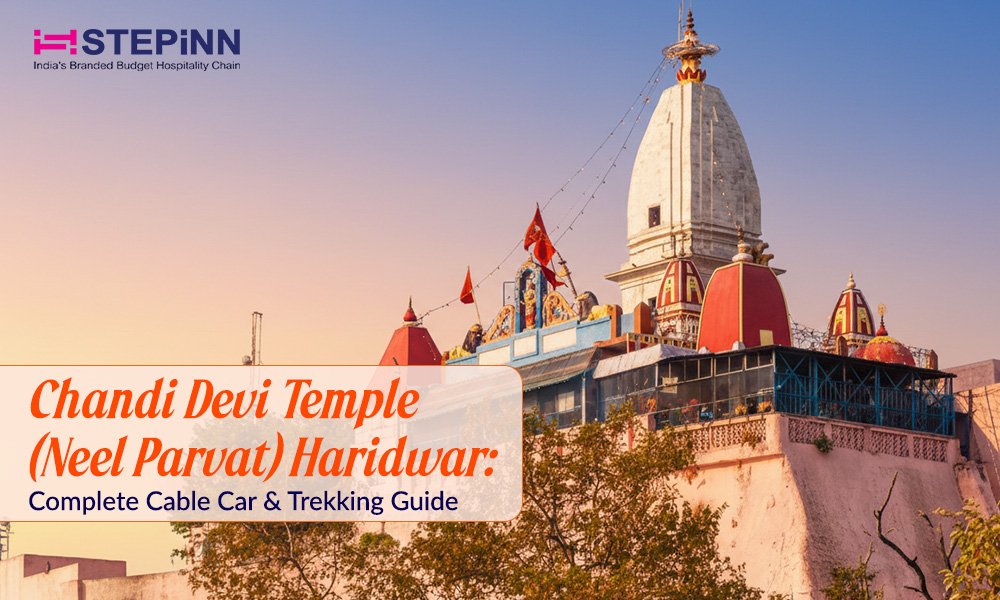
Chandi Devi Temple is one of the most revered Shakti Peeths in India, holding deep spiritual and historical significance. According to Hindu mythology, this sacred site marks the place where Goddess Chandi defeated the demons Chanda and Munda, who were the fierce generals of the demon king Shumbh-Nishumbh. These demons had been terrorizing the heavens and the earth, and it was Goddess Chandi’s divine intervention that restored peace and righteousness. After her victory, the goddess is believed to have rested on Neel Parvat, the hill where the temple now stands, blessing the land with spiritual energy. This is why devotees consider the temple not only a place of worship but also a powerful source of divine protection and blessings.
The temple’s origins trace back to the 8th century when the renowned spiritual leader Adi Shankaracharya established it as a place of worship, reinforcing the presence of Shakti in the region. Over the centuries, the temple has witnessed countless devotees, pilgrims, and sages who have come to seek spiritual guidance and divine blessings. The idol of Goddess Chandi housed in the temple is considered Swayambhu, meaning it is self-manifested rather than crafted by human hands. This attribute adds an extra layer of sanctity, as devotees believe that the goddess herself chose this hilltop to reside in, making the site inherently sacred and spiritually charged.
Visiting Chandi Devi Temple is said to evoke a profound sense of devotion, peace, and spiritual rejuvenation. Pilgrims often speak of the calm and positive energy that envelops the temple, whether they are observing rituals, offering prayers, or simply taking in the serene surroundings of Neel Parvat. The temple’s location atop the hill allows worshippers to not only connect with the divine but also feel a sense of elevation—both physically and spiritually—symbolizing the ascent toward higher consciousness and spiritual enlightenment.
Quick Info at a Glance
- Location: Neel Parvat, Haridwar, Uttarakhand
- Darshan Timings: 6:00 AM to 8:00 PM (closed from 12:00 PM to 3:00 PM for bhog and cleaning)
- Ropeway Fare: Around ₹210–₹220 per person for a round trip (2025–2026); child ticket (90–110 cm) costs approximately ₹150.
- Trek Distance: Nearly 3 km uphill from Chandighat
- Best Time to Visit: February to June and September to November
- Nearest Transport Hub: Haridwar Railway Station, about 5 km away
How to Reach Chandi Devi Temple
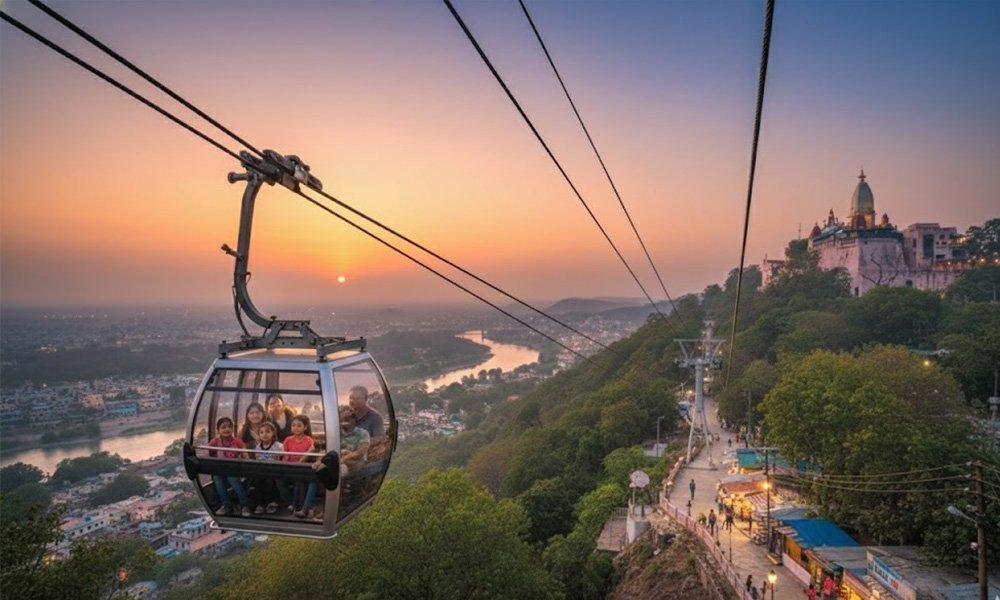
The cable car ride is the most popular way to reach Chandi Devi Temple. The ropeway begins at Chandighat and takes about 5–10 minutes to reach the hilltop. This ride offers panoramic views of Haridwar, the flowing Ganges, and the surrounding green hills.
By Cable Car (Ropeway)
Cable car tickets usually cost around ₹200–₹250 per person for a round trip, and some counters offer combo tickets for visiting both Chandi Devi and Mansa Devi temples. This is a convenient option for families, senior citizens, and anyone looking to enjoy the scenic beauty without exerting themselves on the trek.
Ropeway Guidelines
- Consumption of alcohol, smoking, or any intoxicating substances is strictly prohibited
- Pets are not allowed on the ropeway
- Each passenger is permitted luggage up to 5 kg only
- Carrying sharp objects, weapons, flammable materials, or fireworks is not permitted
- Drone cameras, tripods, and selfie sticks are not allowed
- Only medically prescribed walking sticks are permitted
- Single-use plastic bottles and disposable plastic items are prohibited
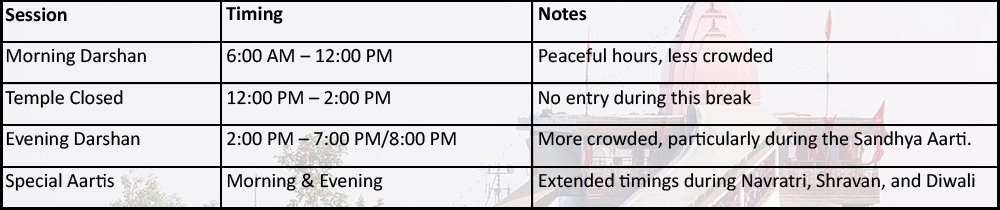
The early morning hours are considered the most peaceful and auspicious for darshan. During festivals like Navratri and Chandi Chaudas, the temple receives a massive influx of devotees, so it is advisable to plan the visit early to avoid long queues.
Best Time to Visit
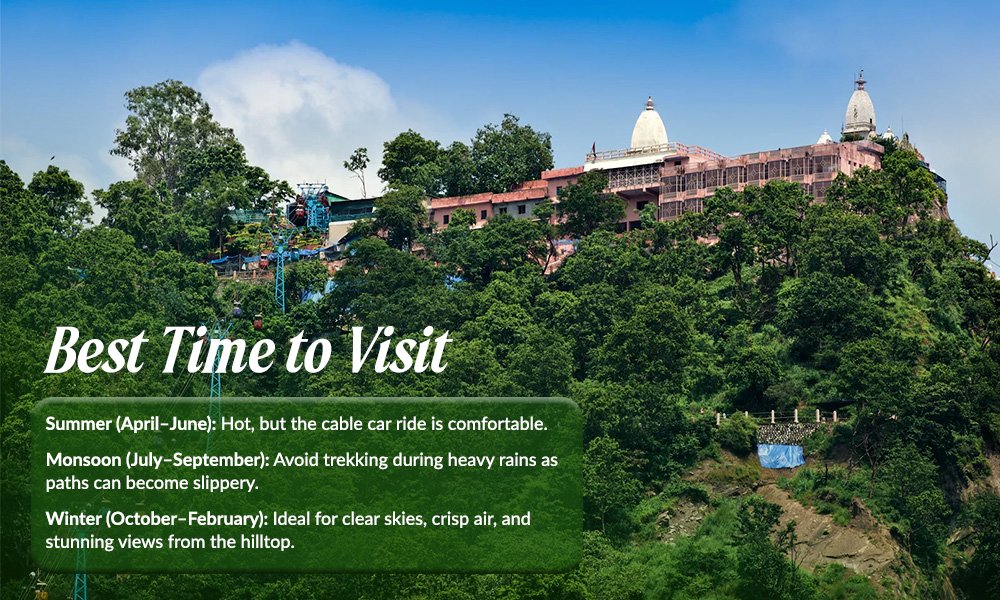
Haridwar can be visited throughout the year, but the ideal months to visit Chandi Devi Temple are October to March. The weather is pleasant, perfect for trekking and sightseeing.
- Summer (April–June): Hot, but the cable car ride is comfortable.
- Monsoon (July–September): Avoid trekking during heavy rains as paths can become slippery.
- Winter (October–February): Ideal for clear skies, crisp air, and stunning views from the hilltop.
Visiting in the cooler months also enhances the overall experience of exploring Haridwar’s ghats, temples, and markets.
Things to Do Near Chandi Devi Temple
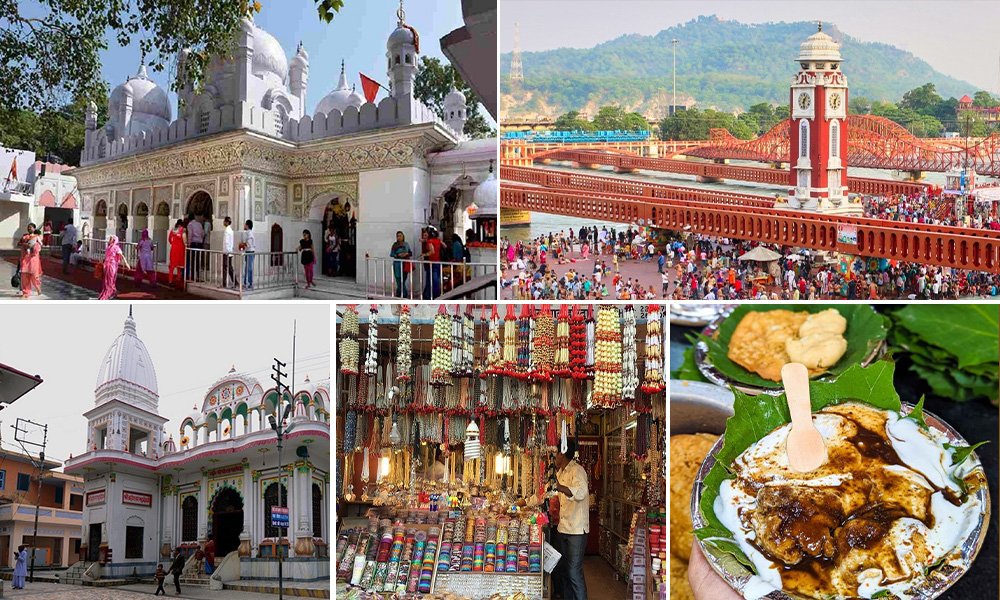
A visit to Chandi Devi Temple can be combined with several nearby attractions:
- Mansa Devi Temple: Another Shakti Peeth located on Bilwa Parvat, accessible via cable car.
- Har Ki Pauri Ghat: Witness the iconic Ganga Aarti in the evening.
- Daksha Mahadev Temple: An ancient Shiva temple with deep historical importance.
- Local Bazaars: Shop for religious items, Rudraksha beads, brass diyas, and souvenirs.
- Street Food: Taste Haridwar’s famous Aloo Puri, Kachori, and Jalebi after temple visits.
These experiences make a trip to Chandi Devi Temple more enriching, offering a mix of spirituality, culture, and local lifestyle.
Travel Tips for Tourists
- During weekends, Navratri, or Shravan, prefer the ropeway to save time and avoid a tiring climb.
- If trekking, wear comfortable footwear the 3 km uphill path is paved but steep and challenging.
- Elderly devotees and children should use the ropeway for a safer and easier darshan.
- Carry a small water bottle and keep your belongings light for a comfortable visit.
- Book accommodation in advance during festivals, as Haridwar gets very crowded and rooms fill quickly.
Festivals and Special Occasions
Chandi Devi Temple becomes especially vibrant during festivals:
- Navratri: Special prayers, rituals, and decorations attract large crowds.
- Diwali & Kartik Purnima: The temple and surrounding hills light up beautifully, offering a magical experience.
- Other local fairs: Visitors can witness cultural performances alongside rituals.
Attending the temple during festivals allows tourists to experience the spiritual energy, devotion, and cultural richness of Haridwar in its fullest form.
Conclusion
Chandi Devi Temple is more than a religious site; it is a blend of spirituality, history, and adventure. Whether you take the cable car ride for scenic views or trek uphill to feel the energy of Neel Parvat, every moment is memorable. Combining this visit with Haridwar’s ghats, temples, local markets, and street food creates a truly immersive experience.
Visiting Chandi Devi Temple allows travelers to connect with India’s living traditions, explore scenic hills, and witness devotion at its purest form. A well-planned trip ensures you make the most of the spiritual, cultural, and natural beauty of this iconic site.
Thank you for reading this guide may your journey to Chandi Devi Temple be peaceful, inspiring, and unforgettable.
0 Comment